What Are the Components of PVC Pipe Extrusion Line
The PVC Pipe Extrusion Line is the core equipment for producing high-quality PVC pipes used in water supply, drainage, and electrical conduit systems. It integrates precise temperature control, efficient material mixing, and stable extrusion performance to ensure smooth and uniform pipes. Each component—from the twin screw extruder to the vacuum calibration tank and cutting unit—works seamlessly for continuous and reliable operation.
If you’re looking for a professional and energy-efficient solution, the Audop PVC Pipe Extrusion Machine offers advanced automation, consistent output, and flexible customization options for different pipe sizes and applications.
If you’ve ever wondered how the smooth, durable PVC pipes you see everywhere—from water systems to electrical conduits—are made, the secret lies in a fascinating piece of engineering called a PVC pipe extrusion line. This production line takes raw PVC material and transforms it into perfectly shaped, high-quality pipes through a series of precisely coordinated steps. Let’s take a closer look at the key components that make up this efficient and reliable system.
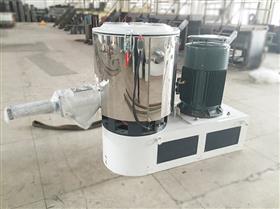
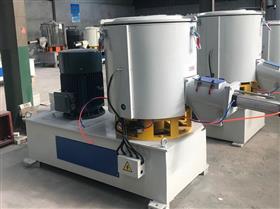
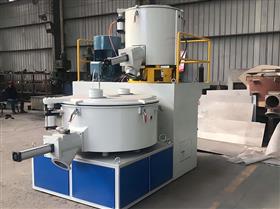
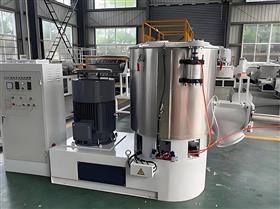
1. PVC Mixer and Feeding System
Everything begins with raw materials—PVC resin, stabilizers, lubricants, and colorants. These ingredients need to be evenly blended before entering the extruder. That’s where the PVC high-speed mixer comes in. It ensures a uniform mix of materials, preventing color differences and improving melt consistency.
After mixing, the feeding system automatically transfers the prepared material into the extruder, keeping the process continuous and clean.
2. Twin Screw Extruder – The Heart of the Line
The twin screw extruder is where the real magic happens. Inside this machine, the PVC compound is heated, melted, and pushed forward under pressure. The twin screws rotate together to ensure consistent melting and mixing of the material. Temperature and speed control here are critical—too hot, and the PVC burns; too cold, and it won’t shape properly.
For high-performance production lines like the Audop PVC Pipe Extrusion Machine, precision control systems ensure stable output and excellent pipe quality.
3. Die Head and Mold
Once melted, the PVC material flows into the die head, where it’s shaped into a pipe. The mold determines the pipe’s diameter and wall thickness. This stage demands extreme accuracy—any minor error here will affect the final product’s consistency. Advanced extrusion systems often include a calibration sleeve to stabilize the pipe shape before cooling.
4. Vacuum Calibration Tank
The hot, newly formed PVC pipe immediately enters the vacuum calibration tank, where it’s cooled and set to its exact dimensions. The vacuum ensures the pipe maintains a round shape, while water jets cool the surface evenly. You could say this is where the pipe “finds its form.”
5. Cooling Tank
To further solidify the pipe and remove any residual heat, it passes through a cooling tank. The temperature control here prevents deformation and ensures the pipe’s final strength and smooth finish.
6. Haul-Off Unit
The traction machine part of the pvc pipe machine adopts frequency conversion speed regulation, which is used to continuously and automatically guide the cooled and hardened pipes out of the machine head, saving energy and ensuring stability and durability.Next, the haul-off machine gently pulls the pipe at a consistent speed, synchronizing perfectly with the extruder’s output. Rubber or caterpillar-type belts grip the pipe without deforming it, maintaining uniform thickness and surface quality.
7. Cutting Machine
After being controlled by a travel switch according to the required length, automatic cutting is carried out, and the frame is flipped with a delay to implement flow production. The cutting machine completes the entire cutting process with the fixed length switch signal as the command, and is synchronized with the pipe operation during the cutting process. The cutting process is completed by electric and pneumatic drives. The cutting machine is equipped with a vacuum device to timely suck out and recover the debris generated by cutting.Once the pipe reaches the desired length, the cutting machine automatically slices it with precision—usually using a planetary or chipless cutter. The goal is clean, burr-free cuts that don’t damage the pipe ends.
8. Stacker or Belling Machine
Finally, the finished pipes are either stacked or sent to a belling machine for socket formation (the widened ends that allow pipes to be joined easily). After this final touch, the pipes are ready for inspection, packaging, and shipping.
Why Each Component Matters
Each part of the PVC pipe extrusion line works in harmony to deliver consistent quality, efficient production, and reduced waste. A well-designed line—like the Audop PVC Pipe Extrusion Machine—offers automation, energy efficiency, and flexibility for various pipe sizes and applications.
Conclusion
From raw material to finished product, every stage in the PVC pipe extrusion process is a blend of science and engineering precision. Understanding each component helps manufacturers optimize performance, reduce downtime, and ensure consistent output. Whether you’re planning to start a PVC pipe production line or simply curious about how it all works, one thing is clear: behind every sturdy PVC pipe lies a smart, well-orchestrated extrusion system.